
The SAVE Act: What Every Queen Anne's County Voter Needs to Know Right Now
If you are a registered voter in Queen Anne's County — or if you have been meaning to register — there is something you need to know right now.
Congress is actively pursuing legislation that would fundamentally change how Americans register to vote. It is called the Safeguard American Voter Eligibility Act — the SAVE Act — and if it becomes law, millions of eligible American citizens could be blocked from the ballot box, including right here in Maryland.
Good Trouble Circle is committed to making sure every neighbor in our community is informed, prepared, and ready to vote in 2026. Here is what you need to know.
What Is the SAVE Act?
The SAVE Act passed the U.S. House of Representatives in February 2026. It has been debated in the Senate, where it stalled — but its supporters have made clear they will keep pushing it through legislation, executive action, or both.
Under the SAVE Act, every American who registers to vote — or who updates their registration due to a move, a name change, or a party switch — would be required to provide documentary proof of citizenship in person at an election office. A driver's license alone would not be enough. You would need a passport, a certified birth certificate, or a REAL ID that specifically indicates citizenship.
The law would also effectively eliminate online voter registration and mail-in voter registration as we know them today. It would mandate that states conduct voter roll purges every 30 days. And it would expose local election officials to civil and criminal penalties for honest administrative mistakes.
Who Would Be Most Affected?
The impact would fall hardest on communities that have historically faced the greatest barriers to voting:
• More than 21 million Americans lack ready access to a passport or certified birth certificate — the primary documents the SAVE Act would require.
• Nearly half of Black Americans under 30 do not have ID with their current name and address.
• Many older Black Americans — born during the pre-civil rights era — were never issued a birth certificate at all.
• Military members stationed overseas and Americans living abroad would face significant new barriers to registration.
• Transgender Americans who lack documents correctly reflecting their name or gender would face an additional layer of obstacles on top of barriers that already exist.
• Young voters and first-time voters who have never needed a passport or certified birth certificate would face the steepest learning curve.
This is not a coincidence. Senator Mike Lee of Utah, one of the bill's sponsors, publicly connected its passage to Republican electoral prospects in the 2026 midterms. The Brennan Center for Justice has called it the most restrictive voting bill ever to pass the U.S. House of Representatives.
Is Noncitizen Voting Really a Problem?
No. Noncitizen voting has been a federal crime since 1996, carrying serious penalties including fines, imprisonment, and deportation. Citizenship is already a requirement to vote, and the existing verification systems are already working.
Utah conducted a citizenship review of its entire voter registration list — more than 2 million registered voters — from April 2025 through January 2026. After a thorough, multi-step review, they identified one confirmed instance of noncitizen registration and zero instances of noncitizen voting.
The SAVE Act does not solve a real problem. It creates real ones — for real American citizens.
How Does This Connect to Yesterday's Supreme Court Ruling?
Yesterday, the Supreme Court issued its ruling in Louisiana v. Callais, effectively gutting Section 2 of the Voting Rights Act — the primary legal tool for challenging racial gerrymandering. Today, the SAVE Act threatens to eliminate the voter registration methods that millions of Americans — disproportionately Black and brown voters — rely on most.
These are not separate events. They are part of the same story: a coordinated effort to reshape who can vote and whose vote counts in 2026 and beyond. Good Trouble Circle sees it clearly. John Lewis saw it clearly. And we will not stand by while it happens.
What You Can Do Right Now
⚠️ ACTION REQUIRED: Do not wait. Take these steps today.
• CHECK YOUR REGISTRATION — Go to elections.maryland.gov and confirm your registration is current, active, and reflects your correct address.
• GET YOUR DOCUMENTS — Locate your passport, certified birth certificate, or REAL ID. If you don't have them, start the process now. A U.S. passport card costs $30 for renewals and $65 for first-time applicants.
• HELP YOUR NEIGHBORS — Talk to family members, friends, and neighbors — especially older residents and young first-time voters — about getting their documents in order.
• CONTACT YOUR SENATORS — Call or write Senators Angela Alsobrooks and Chris Van Hollen and urge them to oppose the SAVE Act and any legislation that restricts ballot access.
• STAY WITH GTC — Sign up for GTC updates at goodtroublecircle.org and follow us on social media. We will keep you informed every step of the way.
Our vote is our power. No law can take it from us if we are prepared. Good Trouble Circle is here to make sure every Queen Anne's County voter is ready.
In Good Trouble,
Good Trouble Circle
Queen Anne's County, Maryland
The Supreme Court Just Gutted the Voting Rights Act. Good Trouble Circle Will Not Be Silent.
Today is a hard day for everyone who believes in democracy.
This morning, the United States Supreme Court issued its ruling in Louisiana v. Callais — and in a 6–3 decision, the Court's conservative majority effectively gutted the enforcement mechanism that has protected communities of color from racial gerrymandering for more than 40 years.
What the Court Did
Section 2 of the Voting Rights Act of 1965 has been the primary legal tool for challenging racially discriminatory congressional maps since the Civil Rights era. It didn't require plaintiffs to prove that lawmakers intended to discriminate — only that the maps had a discriminatory effect.
Today's ruling changes that. Justice Samuel Alito, writing for the majority, held that VRA plaintiffs must now show a 'strong inference that intentional discrimination occurred.' Proving intent — when legislators don't announce their motives and legislative privilege blocks discovery — is nearly impossible. That is the point.
In her dissent, Justice Elena Kagan was unsparing: 'Under the Court's new view of Section 2, a State can, without legal consequence, systematically dilute minority citizens' voting power.' She called the ruling the foundation for 'the largest reduction in minority representation since the era following Reconstruction.'
What Happens Next
The consequences are already unfolding. Florida moved the same day to advance a new congressional map that could shift its delegation from 20 Republican / 8 Democratic seats to 24 Republican / 4 Democratic seats. Mississippi, Georgia, and other Southern states are expected to follow.
Nationally, analysts estimate that Republicans could gain up to 19 additional U.S. House seats as a direct result of this ruling — in an election year.
Why Good Trouble Circle Exists for Moments Like This
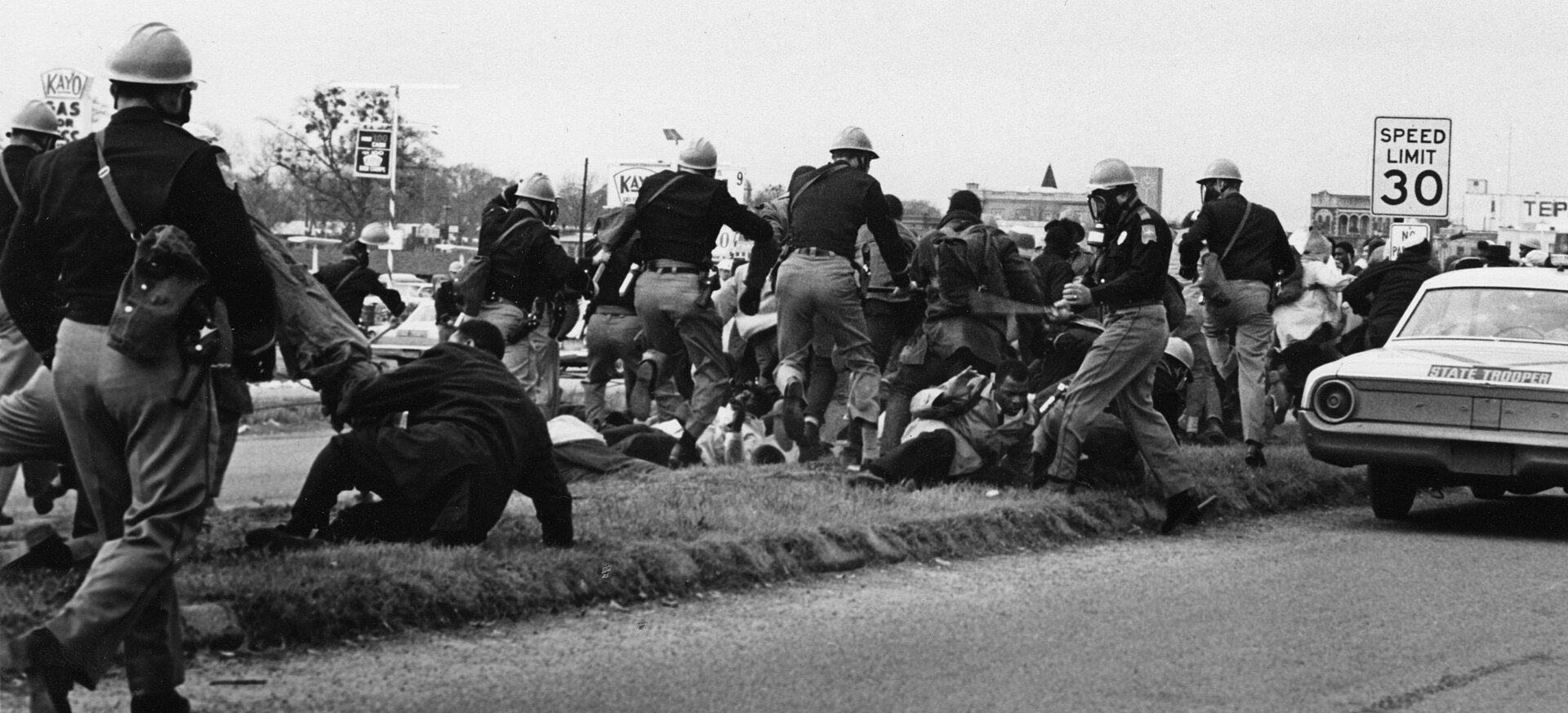
Good Trouble Circle was founded in the spirit of Congressman John Lewis — a man who crossed the Edmund Pettus Bridge, endured violence on Bloody Sunday, and spent his life fighting for every American's right to vote. The Voting Rights Act he helped win is not just a law. It is a covenant.
When that covenant is broken, we do not accept it. We organize.
We are calling on Congress to pass the John R. Lewis Voting Rights Advancement Act immediately. We are calling on Maryland Senators Angela Alsobrooks and Chris Van Hollen to fight for our rights with urgency. And we are calling on every Queen Anne's County voter — register, stay engaged, and show up in 2026.
Our voice is our power. No court can take that from us if we use it.
The Broader Attack on Your Vote: The SAVE Act
The Supreme Court's ruling in Louisiana v. Callais does not stand alone. It is part of a coordinated, nationwide effort to restrict voting rights heading into the 2026 midterm elections. Alongside the Callais decision, Congress has advanced the Safeguard American Voter Eligibility Act — known as the SAVE Act — which passed the U.S. House of Representatives in February 2026 and was debated in the Senate before stalling. Its supporters have made clear they will continue pursuing it through every available avenue.
The SAVE Act would require every American to present documentary proof of citizenship — a passport or birth certificate — in order to register to vote in federal elections. It would effectively eliminate online and mail-in voter registration. It would mandate frequent voter roll purges. And it would expose election officials to criminal penalties for honest administrative mistakes.
More than 21 million Americans lack ready access to the documents this law would require. Communities of color are disproportionately represented in that number. Nearly half of Black Americans under 30 do not have ID with their current name and address. Many older Black Americans, born during the pre-civil rights era, were never issued a birth certificate at all. The SAVE Act is not about election security. It is about voter suppression.
What Queen Anne's County Voters Should Do Right Now:
• Get your documents in order NOW — passport, certified birth certificate, or REAL ID. Don't wait.
• Check your voter registration at elections.maryland.gov and confirm it is current and active.
• Help your neighbors, family members, and community get their documents — especially older residents and young first-time voters.
• Contact Senators Alsobrooks and Van Hollen and demand they oppose the SAVE Act and any legislation that restricts ballot access.
• Stay engaged with GTC — we will keep you informed as this legislation evolves.
Together, the Callais ruling and the SAVE Act represent the most significant rollback of voting rights since Reconstruction. Good Trouble Circle will not be silent. We will educate, organize, and mobilize every voter in Queen Anne's County. That is our mission. That is our promise.
In Good Trouble,
Good Trouble Circle
Queen Anne's County, Maryland